- Ed & Tech must-reads
- Posts
- Ed & Tech must-reads 270126
Ed & Tech must-reads 270126
What influences educator practice, can we trust meta-analyses, remixing 1930

Colin Simpson
January 27, 2026
Phil Dawson (Deakin CRADLE) sparks a lively discussion about which factors (beyond having time/workload) actually inspire academics to change their practices (or at least try new ones) in learning and teaching. This is a question that sits with third space types (learning designers, academic developers, ed techs) such as myself constantly, as academia seems to be one of the rare workplaces where it is not uncommon for people to tell the boss ‘yeah, nah, I’m not doing that’ with few if any repercussions. There are opinions from people across the spectrum, from 3S workers to academics to institutional leaders. They include - colleagues are doing it, students like it, evidence of effectiveness, training - in essence, there was no one answer. Which tracks both with my own experiences and a handy paper that I regularly come back to from - Brew et al. (2017)- Responding to university policies and initiatives: the role of reflexivity in the mid-career academic.
This draws on Archer’s 4 modes of reflexivity (2007) and posits that for some, it comes from their concern about their colleagues, some just choose to ignore it, some do it when told it is the right thing to do, and others just curl up in a ball and do nothing because it’s all a bit much. (Admitted I am probably greatly oversimplifying things)
At first glance, this to-the-point (10:55) video from ed tech author (The Digital Delusion) Jared Cooney Horvath does an impressive job of mythbusting 3 separate meta-analyses which suggest that ChatGPT boosts learning, with an overall effect size of +0.54. (In brief, effects go from -1 to +1, a positive effect is good, zero is neutral, negative is bad - as one might expect). He draws on a finding by Uni of Melbourne (Oz) education researcher John Hattie that basically all (95%+) educational research shows a positive effect and from that decides that this means that only scores of +0.42 should be considered meaningful. Now if you choose to run with his logic, the next parts of the video make sense - where he analyses the studies in the meta-analyses, removes some for poor methodology and finds that they fall below this +0.42 mark. As someone who hasn’t done meta-analyses though, I’m left with the question of whether this is a legit new benchmark or whether he is ‘juking the stats’ (thank you The Wire) to make his point. If you’re a more informed researcher, I’d love to know what you think.
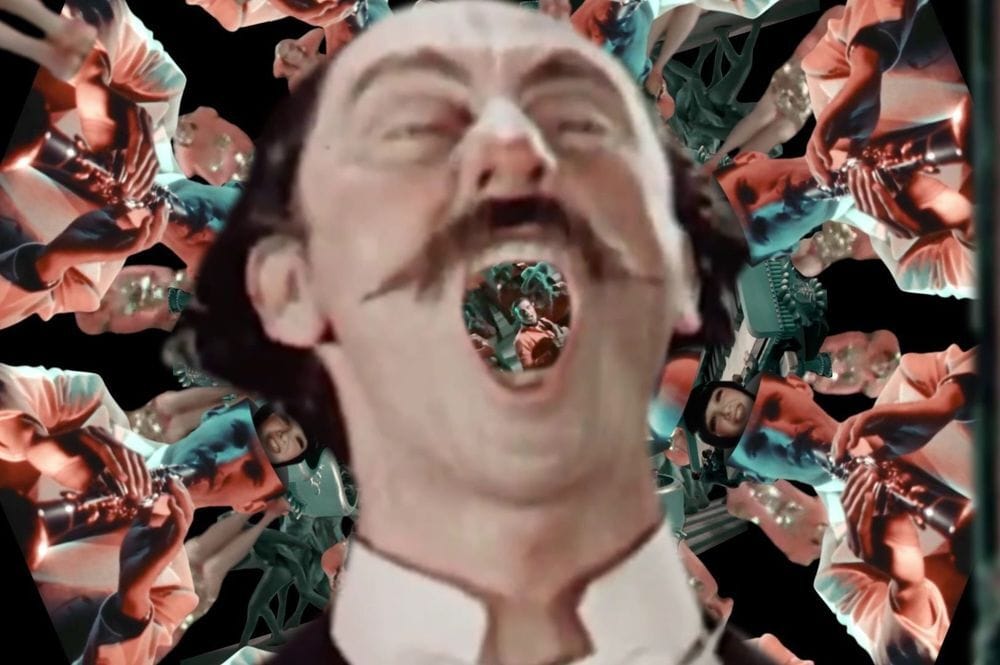
Winners of the 2026 Internet Archive Public Domain Film Remix Contest from Internet Archive
For something completely different - at the start of every year, new creative works (new as in 95 years old) enter the public domain and we are free to do with them as we wish. Mickey Mouse in Steamboat Willie (but not later Mickey) and George Gershwin’s magical Rhapsody in Blue entered this space in recent years and now the Internet Archive is doing a neat thing where they have a competition to highlight newly emerged works. The winner is a digital animation/collage of the 1930 film King of Jazz over the top of a kind of recognisable in parts electro pop version of Rhapsody. It’s kind of cool and at 2.04 mins, a necessary escape from the modern world. (The 2nd and 3rd place winners are also neat)
Reply